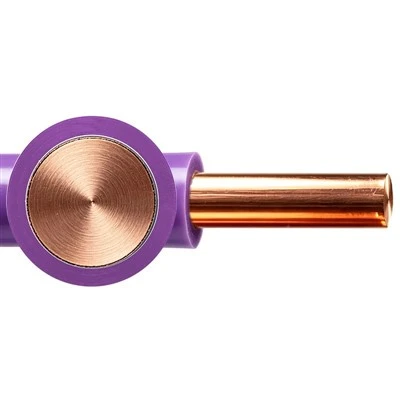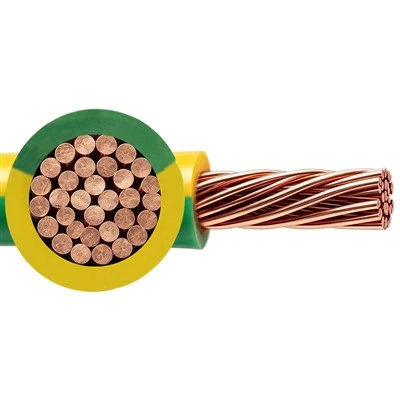
Product overview
RF coaxial cable transmits radio-frequency signals through a central conductor, dielectric insulation, an outer conductor or shield, and a protective jacket. It is used in antenna systems, wireless communication equipment, RF test instruments, microwave assemblies, and electronic equipment.
Choosing the right RF coaxial cable requires more than matching the connector. Buyers need to consider characteristic impedance, operating frequency, attenuation, return loss, shielding performance, cable dimensions, bend radius, and environmental conditions.
We support RF coaxial cable sourcing and project-specific requirements, subject to confirmed product availability and manufacturing capabilities. Standard cable selection and custom cable assembly requirements can be evaluated against your equipment specifications.
-
![Solid PE Insulated RF Coaxial Cable]() Solid PE Insulated RF Coaxial CableApplication:Solid PE insulated RF coaxial cable features stable insulation, low attenuation, high temperature resistance, and good moisture resistance. It is widely used in security, broadcasting,
-
![Solid PTFE Insulated RF Coaxial Cable]() Solid PTFE Insulated RF Coaxial CableApplication:Solid PTFE insulated RF coaxial cable is widely used in communications microwave, instruments and meters, industrial automation, rail transit, shipping, petrochemicals, medical equipment,
-
![PTFE Insulated RF Coaxial Cable]() PTFE Insulated RF Coaxial CableApplication:PTFE insulated RF Coaxial cables are widely used for transmitting RF signals in wireless communication, broadcasting, and related electronic equipment under high temperature conditions.
-
![Solid PTFE Insulated Semi-Rigid Coaxial RF Cable]() Solid PTFE Insulated Semi-Rigid Coaxial RF CableApplication:Solid PTFE insulated semi-rigid coaxial RF cables are widely used for high-frequency signal transmission across various fields. They feature low attenuation, excellent VSWR performance,
-
![Solid PTFE Insulated Semi-Flexible Coaxial RF Cable]() Solid PTFE Insulated Semi-Flexible Coaxial RF CableApplication:Solid PTFE insulated semi- flexible coaxial RF cables are widely used for internal interconnection of high-frequency, high signal stability and anti-interference equipment. The product
-
![Low Loss Flexible Microwave Cable]() Low Loss Flexible Microwave CableApplication:Low Loss Flexible Microwave Cables feature wide bandwidth, low attenuation, good wear resistance and excellent flexibility. can be used as transmission lines for various wireless
-
![Low Loss Phase-Stable Cable]() Low Loss Phase-Stable CableApplication:Low Loss Phase-Stable Cable features wide bandwidth and low attenuation, suitable for applications with strict requirements for phase stability, low loss and high-frequency transmission..


RF coaxial cable types and applications
|
Cable type |
Construction and characteristics |
Typical applications |
|
Flexible RF coaxial cable |
Flexible construction for routing and equipment connections |
Antenna connections, wireless equipment, RF test setups |
|
Low-loss coaxial cable |
Designed to control signal attenuation over a specified frequency range |
Base station antennas, wireless infrastructure, longer RF cable runs |
|
RG-series coaxial cable |
Available in different constructions, dimensions, impedances, and electrical configurations depending on model |
Communication equipment, test instruments, electronic systems |
|
Semi-rigid coaxial cable |
Typically uses a solid metallic outer conductor to maintain controlled cable geometry |
Microwave assemblies, RF modules, compact electronic equipment |
|
Conformable coaxial cable |
Uses a formable metallic outer conductor that can be shaped during installation, depending on design |
RF interconnections, space-constrained assemblies |
|
RF coaxial cable assemblies |
Cable supplied with compatible connectors, specified lengths, and defined termination configurations |
Antenna systems, RF instruments, communication equipment integration |
The appropriate cable depends on the required electrical performance, mechanical design, connector interface, and installation environment. Cable types are not interchangeable solely because they use similar connectors or have similar dimensions.
Technical specifications and cable selection
RF coaxial cable specifications vary by model, construction, and operating frequency. Buyers should evaluate the following parameters against the applicable datasheet and equipment requirements.
|
Technical parameter |
What buyers should confirm |
|
Characteristic impedance |
Required impedance, commonly 50 Ω or 75 Ω, according to system design |
|
Operating frequency |
Required frequency range and applicable performance limits |
|
Attenuation |
Maximum allowable loss at specified frequencies, expressed in dB/100 m or dB/m |
|
Return loss / VSWR |
Required impedance-matching performance, frequency range, and test conditions |
|
Velocity of propagation |
Required propagation characteristics for the selected dielectric construction |
|
Shielding performance |
Required shielding metric, frequency range, and test method |
|
Center conductor |
Material, solid or stranded construction where applicable, and conductor dimensions |
|
Dielectric |
Required material, such as solid PE, foamed PE, or PTFE, subject to the selected cable design |
|
Outer conductor and shielding |
Braid, foil, solid metallic tube, or combined construction |
|
Outer jacket |
Material requirements based on temperature, UV exposure, chemical contact, flame performance, and installation conditions |
|
Cable outer diameter |
Specified diameter and available installation clearance |
|
Minimum bend radius |
Manufacturer-specified bending limit for the intended installation |
|
Operating temperature |
Rated temperature range for the complete cable construction |
|
Cable length |
Required reel length, continuous length, or cut length |
|
Connector interface |
Connector series, interface, gender, termination method, and equipment compatibility |
For accurate product evaluation, attenuation and return loss should be compared at the same relevant frequencies and under comparable test conditions. Shielding performance should also be assessed using the specified measurement method rather than a generic shielding claim.
Actual electrical and mechanical values must be taken from the technical datasheet for the selected model. No single specification range should be applied to every RF coaxial cable.
Materials and cable construction
Cable materials affect electrical performance, flexibility, temperature resistance, shielding, and suitability for the installation environment.
|
Cable component |
Common material or construction options |
Selection considerations |
|
Center conductor |
Copper, silver-plated copper, copper-clad steel |
Conductivity, flexibility, conductor loss, and model-specific design |
|
Dielectric |
Solid PE, foamed PE, PTFE |
Dielectric properties, temperature requirements, and cable geometry |
|
Outer conductor / shielding |
Copper braid, tinned copper braid, metallic foil, solid metal tube, or combined shielding |
Shielding requirements, flexibility, mechanical protection, and construction |
|
Outer jacket |
PVC, PE, FEP, LSZH compounds |
Temperature, environmental exposure, flame requirements, and applicable regulations |
Material availability depends on the selected cable construction. A material option should not be interpreted as available across the entire product range.
For projects requiring RoHS or REACH documentation, UL or ETL certification, or military specifications under MIL-DTL-17, confirm the applicable requirements, product identification, specification status, and supporting documentation before ordering.
Compliance should be verified for the specific cable model and intended market. General material descriptions do not establish product certification or regulatory compliance.
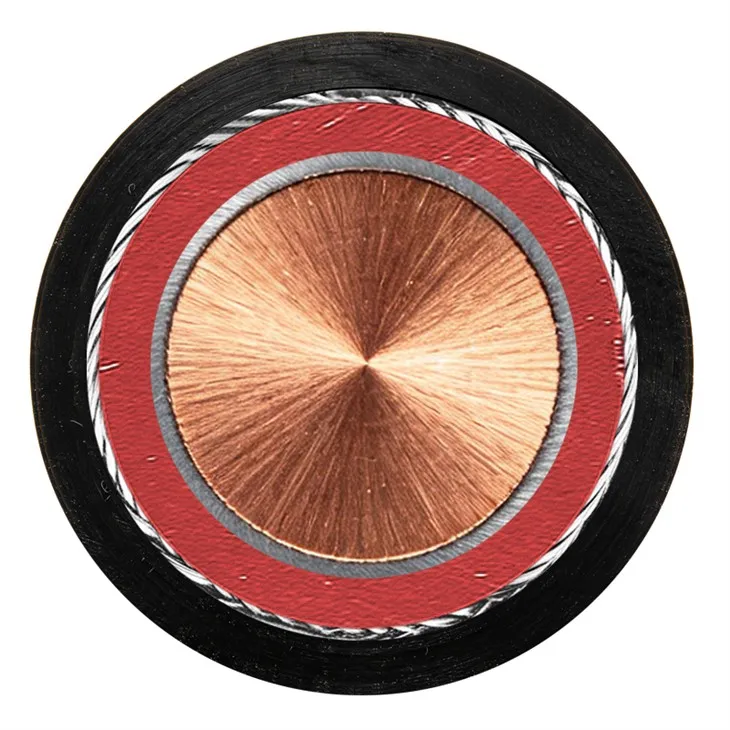
Custom RF coaxial cables and cable assemblies can be evaluated according to electrical requirements, equipment interfaces, installation constraints, and confirmed production capabilities.
Electrical requirements
Specify characteristic impedance, operating frequency, allowable attenuation, return loss or VSWR limits, and any other required electrical parameters.
Cable construction
Provide the preferred conductor material, dielectric, shielding structure, jacket material, outer diameter, and minimum bend radius where applicable.
Connector and termination requirements
Identify the connector series, interface, gender, cable length, termination configuration, and labeling requirements. Potential connector families include SMA, N-type, TNC, BNC, and IPEX/U.FL, subject to cable compatibility and confirmed supply capability.
Environmental requirements
Specify operating temperature, vibration exposure, moisture conditions, UV exposure, chemical contact, and other relevant installation conditions.
Engineering information
Technical drawings, existing cable samples, connector part numbers, product datasheets, or equipment interface specifications can help clarify the required construction and reduce ambiguity during product evaluation.
Before production, confirm the approved cable specification, connector configuration, sample requirements, inspection criteria, order quantity, and delivery schedule.
Quality control, inspection and testing
Inspection and testing requirements should be defined according to the selected cable model, purchase specification, and intended application.
|
Inspection or test |
Purpose |
|
Electrical performance testing |
Verify specified electrical characteristics using the applicable method |
|
Return loss / VSWR testing |
Evaluate impedance matching over the specified frequency range |
|
Insertion loss testing |
Measure signal loss under defined test conditions |
|
Dimensional inspection |
Verify cable outer diameter and other specified dimensions |
|
Conductor and shielding inspection |
Check cable construction against the approved specification |
|
Mechanical testing |
Verify specified tensile, adhesion, bending, or other mechanical requirements where applicable |
|
Documentation and traceability |
Check available inspection records, batch identification, and material documentation |
For technically demanding applications, buyers should confirm the test frequency range, acceptance limits, test equipment, sampling frequency, and report format before placing an order.
Where required, test reports and product documentation should be agreed upon in advance. Testing scope, inspection coverage, and traceability arrangements must reflect the actual quality control process and should not be assumed to be identical for every model or order.
RF coaxial cable supply requirements depend on the selected model, order quantity, cable construction, and delivery conditions.
Reel and cut lengths
Confirm standard reel lengths, available continuous cable lengths, and the feasibility of custom cut lengths for the selected model.
Packaging and labeling
Specify reel or spool requirements, protective packaging, product labels, length identification, batch identification, and carton or pallet arrangements where applicable.
Samples and technical evaluation
Confirm sample availability, evaluation requirements, and any applicable sample or customization charges before proceeding with a new specification.
MOQ and lead time
Minimum order quantity and production lead time depend on the cable construction, materials, customization requirements, and order volume. Confirm the applicable terms for the selected model and quantity.
Shipping and documentation
Agree on the delivery destination, shipping method, packaging requirements, and required commercial or technical documents before order confirmation.
For repeat purchasing, buyers should confirm the approved product specification and identification method to support consistency between orders.
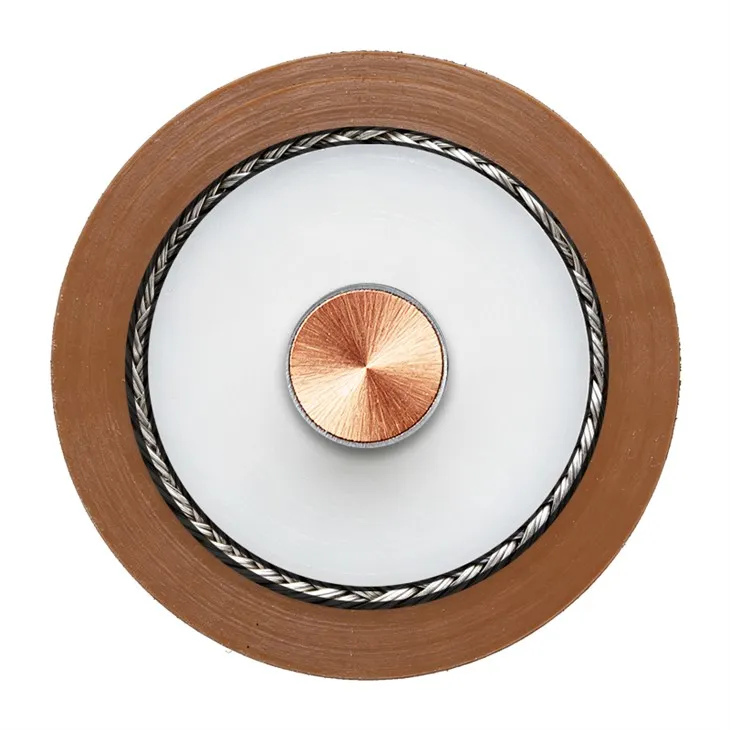

Request a quote for RF coaxial cable
To evaluate your RF coaxial cable requirements, provide as much of the following information as available.
Required cable type or model: RG-series cable, flexible RF cable, low-loss cable, semi-rigid cable, conformable cable, or a custom assembly.
Electrical requirements: Characteristic impedance, operating frequency, attenuation limits, return loss or VSWR requirements, and any additional electrical specifications.
Mechanical requirements: Cable length, outer diameter, bend radius, conductor construction, shielding structure, jacket material, and operating environment.
Connector requirements: Connector series, interface, gender, cable-end configuration, and termination requirements for cable assemblies.
Compliance and documentation: Applicable standards, certification requirements, inspection reports, and traceability requirements.
Purchasing details: Estimated order quantity, annual demand, sample requirements, destination market, packaging requirements, and target delivery schedule.
Submit your existing cable drawing, product part number, datasheet, or sample details for technical evaluation and quotation. If some specifications are not yet available, share the equipment interface and intended application so the requirements can be clarified before product selection
Yangzhou Huayu Cable Co., Ltd. is one of the most professional rf coaxial cable manufacturers and suppliers in China, also supports customized service with low price. Please feel free to wholesale advanced rf coaxial cable made in China here from our factory. Contact us for pricelist.
Low Loss Phase Stable Cable, PTFE Insulated RF Coaxial Cable, Solid PE Insulated RF Coaxial Cable