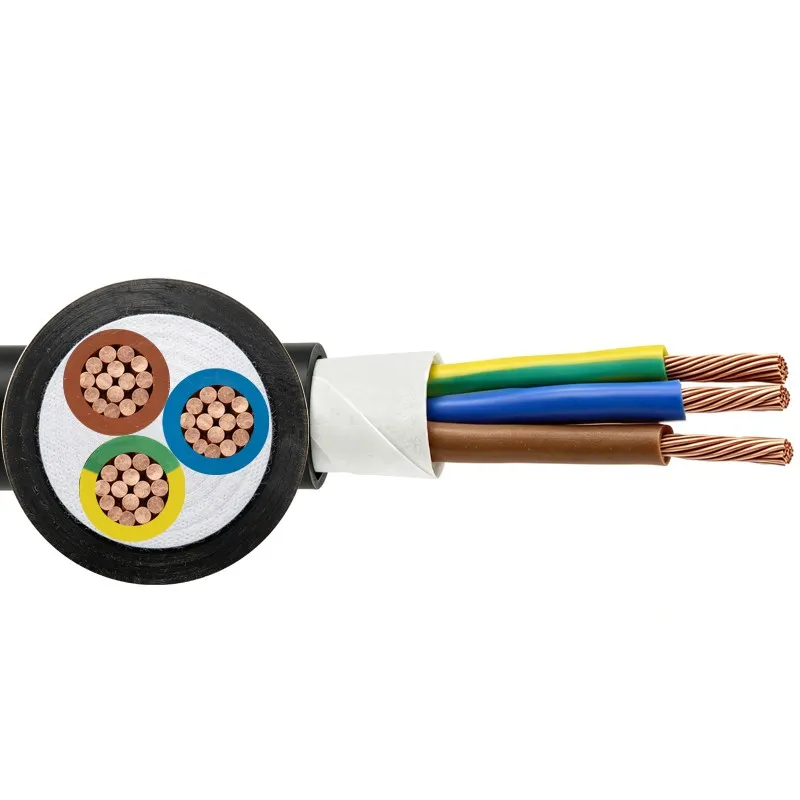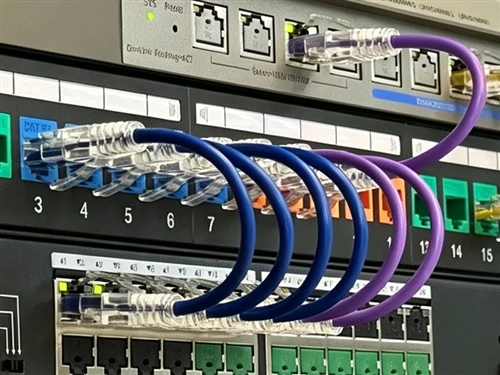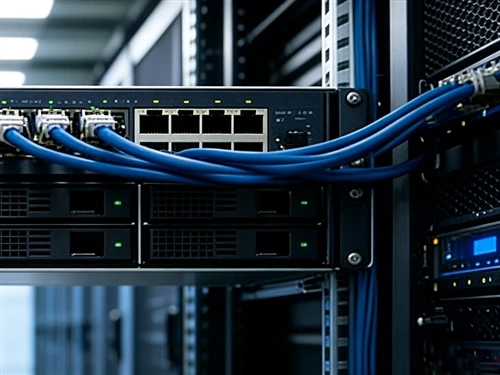
Cable assemblies can be categorized into various types based on function and structure, commonly including connectors, terminal blocks, plugs and sockets, and isolators.
Connectors
A connector is a one-piece cable assembly that allows two cables to be quickly connected and disconnected. The main characteristics of connectors are easy insertion and removal, good reusability, and suitability for applications requiring frequent wiring and disconnection.
Terminal Blocks
Terminal blocks are cable assemblies used to secure and connect terminating wires. They are mainly divided into two types: spring-loaded and screw-loaded. Spring-loaded terminal blocks require a compressed spring to hold the wire in place, while screw-loaded terminal blocks require rotating the wire to secure it.
Plugs and Sockets
Plugs and sockets are common cable assemblies used to connect equipment or other units to a power source. Plugs and sockets typically employ a plug-in structure, allowing for quick connection or disconnection of cables.
Isolators
Isolators are cable assemblies used to isolate cable lines. They possess excellent insulation properties, protecting wires from damage caused by short circuits, leakage current, and other faults.