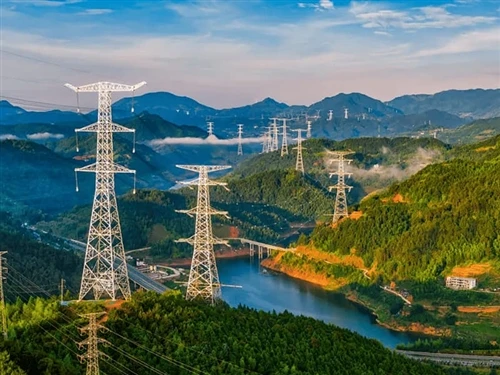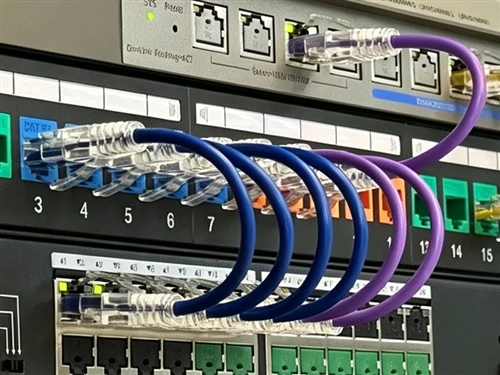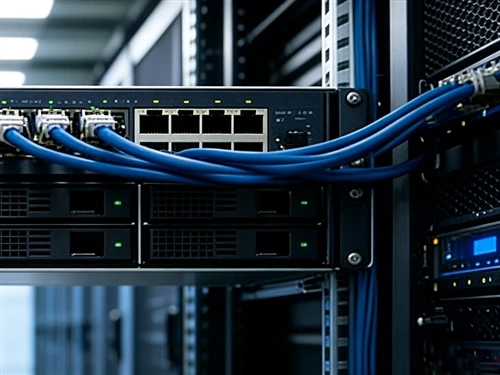
Electric wires are conductors designed for the transmission of electrical energy; structurally, they are classified into three categories: bare wires, magnet wires, and insulated wires. Bare wires lack an insulating layer and are utilized in outdoor overhead power lines; magnet wires feature a thin insulating coating and are applied in motors and transformer equipment; insulated wires consist of a conductor, an insulating layer, and a protective sheath. Some high-voltage wires and cables also incorporate a shielding layer to mitigate electromagnetic interference-a feature of particular importance for high-voltage lines-while insulated wires are widely employed in low-voltage electrical applications.
Based on their intended use, electric wires are categorized into three groups: power systems, information transmission systems, and instrumentation systems, encompassing a range of types from overhead transmission lines to data cables. Quality inspection involves subjecting the wires to repeated bending tests to verify their flexibility and the integrity of their insulation layer; a common practice is to manually bend a sample of the wire repeatedly-wires that feel pliable, demonstrate high fatigue resistance, and show no cracking in the insulation are deemed to be of superior quality. When selecting wires for specific applications, it is essential to choose specialized types-such as fire-resistant or flame-retardant cables-that meet the requirements of the operating environment, thereby preventing potential malfunctions caused by improper selection. Regarding conductor materials, in addition to traditional copper and aluminum, copper-clad aluminum is gaining traction due to its cost-effectiveness and conductive properties; however, national standards currently prohibit its use as a conductor for the transmission of electrical energy. Manufacturers are leveraging digital systems to enhance quality management, establishing production and logistics management systems to enable product traceability, implementing process control systems to monitor operational parameters in real-time, and utilizing quality control systems to automatically collect and analyze data. Inspection processes have been refined through the introduction of advanced technologies-such as laser diameter measurement and high-voltage pinhole detection-to improve accuracy, while the adoption of intelligent tensile testers to replace traditional equipment has further optimized the overall inspection workflow.