Low Smoke Zero Halogen (LSZH) cable, abbreviated as LSZH in English, is a special type of cable designed with halogen-free polyolefin materials for insulation and sheathing, emphasizing fire safety and environmental protection. It is also commonly referred to as an eco-friendly flame-retardant cable. The key difference from conventional PVC cables lies in its insulation and jacket materials, which contain no halogens such as chlorine, bromine, or fluorine. When burned, LSZH cables produce minimal smoke and do not release large quantities of corrosive, toxic halogenated hydrogen gases. This makes them the preferred choice for enclosed spaces and densely populated areas.
Traditional PVC cables, when exposed to fire, rapidly emit thick black smoke that quickly obscures visibility and releases highly toxic acidic gases. In fires, many casualties are not caused directly by flames but rather by suffocation, poisoning, or impaired vision due to smoke, preventing timely evacuation. LSZH cables were specifically developed to address these critical issues. The dual features of "low smoke" and "zero halogen" work synergistically to buy valuable time for personnel escape and equipment rescue during a fire.
The core advantages of LSZH cables can be summarized into four points. First, they offer excellent low-smoke and high light transmission properties. During combustion, they generate minimal smoke and maintain high transparency, improving visibility at fire scenes and enabling people to clearly see evacuation signs and exit routes. Second, they are non-halogen, low-toxicity, and less corrosive. Their material formulation excludes halogens, so combustion produces mainly carbon dioxide and water vapor, generating almost no highly corrosive halogen acids. This reduces health hazards to humans and protects sensitive electrical equipment such as monitoring systems, communication devices, and control panels, minimizing post-fire equipment damage. Third, they exhibit superior flame-retardant performance. Functionally categorized into flame-retardant and fire-resistant types, LSZH cables can suppress flame spread and delay fire propagation along the cable. Fire-resistant versions continue to conduct electricity even under prolonged exposure to flames, ensuring emergency lighting, fire alarms, exhaust fans, and other fire protection systems remain operational. Fourth, they are environmentally friendly. Free from heavy metals like lead, cadmium, and mercury, LSZH cables pose minimal risk of soil or water pollution during manufacturing, long-term use, and recycling, meeting the material requirements of green buildings and low-carbon projects.
Of course, LSZH cables have certain limitations. Due to their material characteristics, they tend to be harder and more difficult to process, resulting in higher costs compared to standard PVC cables of the same specifications. They also become less flexible in low-temperature environments, requiring extra care during bending and installation to prevent insulation cracking. Additionally, their resistance to oil and certain solvents is inferior to that of PVC, so selection should consider actual site conditions.
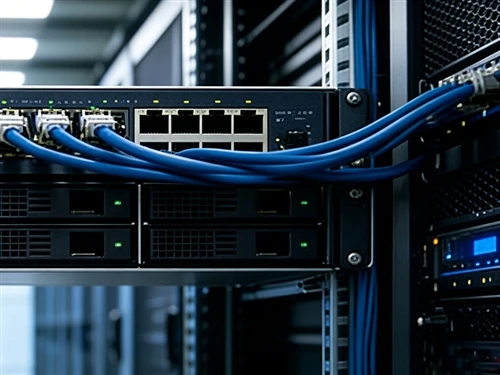
In terms of application, LSZH cables are primarily used in poorly ventilated, densely occupied, and high-safety-demand environments. These include subways, tunnels, underground utility corridors, high-rise buildings, large shopping malls, hospitals, schools, exhibition centers, airport terminals, nuclear power plants, rail transit systems, ships, and data centers-where fire codes often explicitly require LSZH cabling. Common models include WDZ-BYJ and WDZN-YJY, where "WDZ" stands for low smoke zero halogen flame-retardant, and "WDZN" indicates low smoke zero halogen flame-retardant and fire-resistant. These designations are frequently seen on architectural electrical drawings.
As domestic fire safety standards continue to evolve and building safety concepts advance, the application of LSZH cables is expanding rapidly. They are more than just conduits for transmitting electricity and signals-they represent a hidden safety barrier within buildings. While conventional cables are still widely used in typical residential settings, LSZH cables have become the preferred solution for safeguarding lives in public infrastructure, underground spaces, and high-rise buildings.