There are numerous types of cables, and there is no fixed number. Generally, electrical cables are classified into five major categories based on their usage, structure, and other dimensions.
Below is a detailed introduction to these five categories of cables:
1. Bare wires and bare conductor products
This is the simplest category. The conductors are pure metals and there are no insulating layers or sheaths. They are directly exposed and are mainly used for transmitting electrical energy.
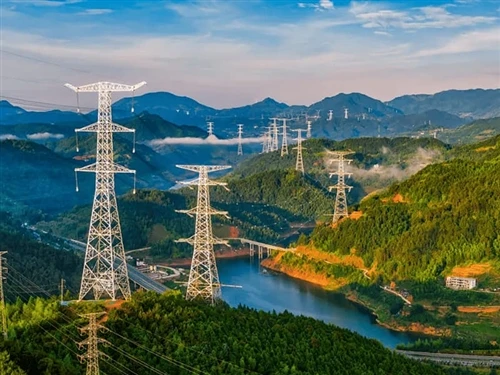
Common examples: Steel-cored aluminum stranded wire (used for overhead high-voltage power transmission), copper-aluminum busbars (used for connection within switch cabinets), etc.
Main applications: Overhead main lines in suburban and rural areas, as well as for conductive connections within substations and switch cabinets.
2. Power Cables
These are the main components in the power system used for transmitting and distributing large amounts of electrical power. Their characteristic is that an insulating layer is wrapped around the conductor, and some even have a sheath layer or even a protective layer.
Common examples: Polyvinyl Chloride (PVC) insulated power cables, Cross-linked Polyethylene (XLPE) insulated power cables (currently the most commonly used), rubber-covered cables, etc.
By voltage level: They can be classified into low voltage, medium voltage (35kV and below), high voltage (above 110kV), ultra-high voltage (275-800kV), and extra-high voltage (1000kV and above) cables.
3. Electrical equipment wiring and cables
This category has the largest variety and is the most widely used, with voltages typically ranging from 1kV and below. They provide power or signal connections for various devices and in specific environments.
Common examples: There are various special cables for different environments, such as flame-retardant cables, fire-resistant cables, low-smoke and halogen-free cables, oil-resistant cables, and cold-resistant cables, etc.
4. Communication Cables and Fibers
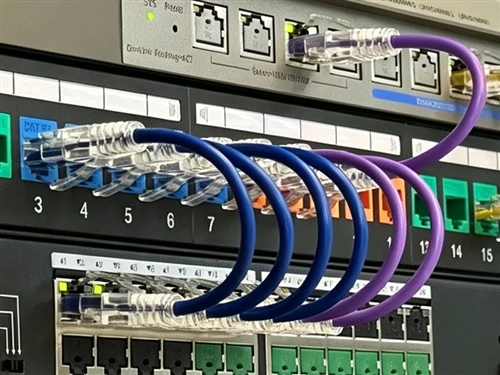
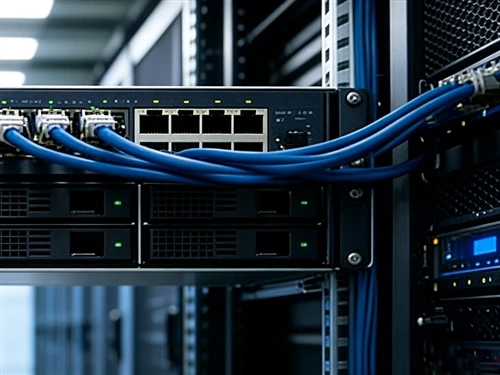
These are specifically designed for transmitting information such as telephones, telegrams, data, and images. Such products have very high requirements for the accuracy and stability of signal transmission.
Common examples:
- Urban communication cables: Used in the telephone network within the city.
- Coaxial cables: Used in cable TV, video surveillance, etc.
- Optical fiber cables: The core of modern high-speed internet and data transmission.
- Radio frequency cables: Used in wireless communication devices.
5. Electromagnetic wire (winding wire)
This type of cable is mainly used to manufacture the coil windings of motors, transformers, electromagnets, etc.
Main feature: Usually, it is a copper wire or aluminum wire coated with an insulating paint layer.
★In addition to the above five major classifications based on usage, cables can also be divided from the following perspectives:
- By insulation material: they are classified as oil-impregnated paper insulation, plastic insulation, rubber insulation, etc.
- By current type: they are divided into AC cables and DC cables.
- By whether armored: they are classified as armored cables (with steel tape or steel wire protective layers) and non-armored cables.
In summary, electrical cables form a vast and complex family. The above five major categories merely represent the most basic classification framework. Within each category, there are countless specific models and specifications.