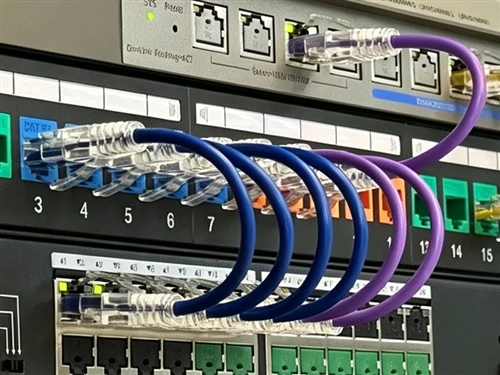
A low-frequency optical cable is a specialized type of cable that combines fiber-optic transmission technology with the characteristics of low-frequency electrical cables. Compared to standard low-frequency electrical cables, low-frequency optical cables exhibit the following key differences:
Transmission Medium
Low-frequency electrical cables utilize metal conductors as their transmission medium, whereas low-frequency optical cables employ optical fibers. Since optical fibers offer higher transmission speeds and greater bandwidth, low-frequency optical cables possess a distinct advantage in terms of transmission performance.
Interference Immunity
Because fiber-optic transmission is immune to electromagnetic interference, low-frequency optical cables outperform low-frequency electrical cables in terms of interference resistance. This attribute ensures superior transmission stability for low-frequency optical cables, particularly in complex electromagnetic environments.
Cost Differences
Although low-frequency optical cables offer advantages in transmission performance, their manufacturing costs are typically higher than those of low-frequency electrical cables. Consequently, in practical applications, the selection of the appropriate cable type should be guided by specific requirements and budgetary constraints.